
In an era dominated by streaming platforms and digital convenience, a quiet revolution is unfolding. At OHS, it is becoming rare to attend social events without a digital camera being present. Young adults, often stereotyped as digital natives, are increasingly turning to vinyl records, DVDs, and other physical formats, not just out of nostalgia, but also as a deliberate act of cultural preservation and personal agency. This resurgence is not merely for aesthetics, it is a response to the vulnerabilities of our digital age. While concerns about data loss and corporate control persist, the revival of physical media reflects a deeper desire for ownership, intentionality, and connection in an impermanent world.
The fragility of digital content is undeniable. Services like Spotify and Netflix offer vast libraries, but users do not truly own what they stream. Licensing disputes or platform closures can erase access overnight, as seen in 2019 when MySpace lost 50 million songs. Even personal memories are not immune as cloud storage failures or abandoned accounts can wipe out years of photos and messages. Physical media, by contrast, resists these risks. A Blu-ray disc does vanish when a subscription lapses and a vinyl record can’t be “deleted” by a server error. For Gen Z and Millennials, raised amidst streaming’s rise, this reliability is increasingly appealing.
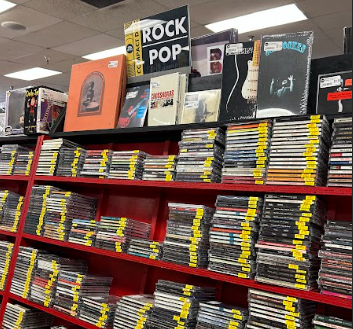
Beyond practicality, physical media fosters a richer relationship with art and culture. Streaming’s infinite scroll often encourages passive consumption, but owning a record or DVD demands intentionality. The tangible experience of sliding a record from its sleeve or flipping through a photo album creates rituals that deepen engagement. The resurgence also reflects a rejection of corporate gatekeeping and ownership. Physical media can be shared, resold, or inherited freely. This autonomy resonates with younger generations who value sustainability and community. Record stores, for instance, have become hubs for connection.
Critics might dismiss this trend as niche or nostalgic, but the numbers tell a different story. Vinyl sales have grown for 17 consecutive years, with Gen Z now the primary drivers. It is not a rejection of technology but a balancing act: streaming for convenience, physical media for permanence. By embracing both, young adults are crafting a more resilient cultural ecosystem, one where art endures not as pixels in a cloud, but as tangible artifacts to hold, share, and cherish. The physical media revival is not just a trend, it is a manifesto for a generation determined to leave footprints that will not fade.