
As OHS is a high school, the student body is in the transitioning phase from adolescence to adulthood. Along with this change comes different ideas, beliefs, and preferences for not only personal issues, but worldwide issues as well. Recently, due to an increase in social media presence, different world events have gotten to the student body at a fast rate.
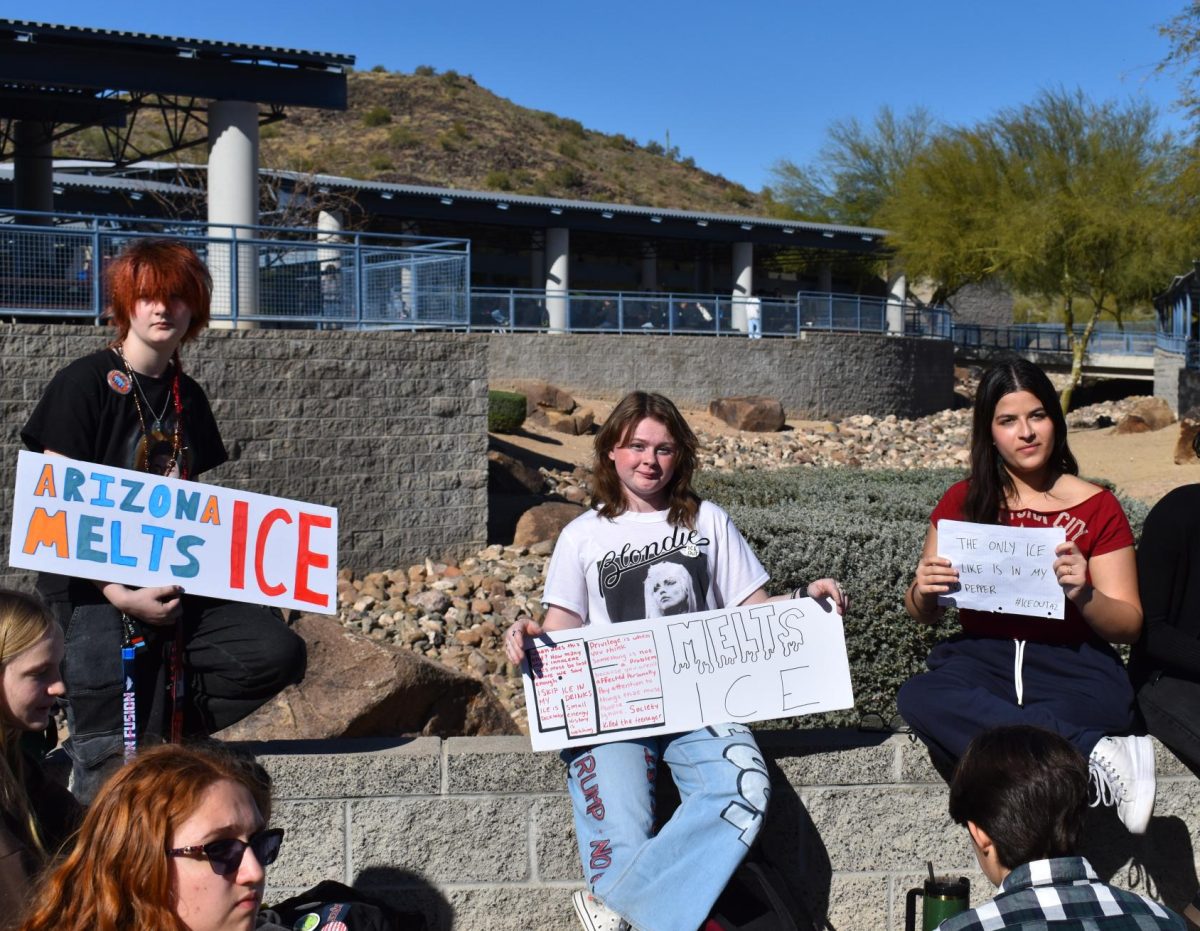
Controversial topics have been presented throughout the nation, and many people, even teenagers, have spoken out about things they are passionate about. At OHS, a group of students decided to do so as well and spoke out about the U.S. Immigration and Customs Enforcement, otherwise known as ICE.
“I was motivated by the fact that students have a bigger voice than they think, and when a lot of students stand together, they can spread a message,” said Huxley Evans, sophomore.
In order to spread awareness of the protests and sit-ins at OHS, organizers utilized social media to increase participation.
“Social media was a big one, also just word of mouth. The more people that talked about it, the more people that spread it to their friends, the more people that saw the fire,” Evans said.
Those who protested gained the confidence to speak out after realizing that having a voice is enough to make a change, even if it is small.
“You bring people together, but you’re also speaking out. I feel like a lot of people don’t realize they have the power to do that, and I think that the protests that I held really showed people that you can speak out,” Evans said.
In today’s world, it seems like an anomaly to witness students at one’s own school protesting about something, and many believe that this belief has changed from previous decades.
“Modern day definitely has a different view on protesting, as say 100 years ago. It has definitely changed because a lot of people think, ‘if I speak out, no one else is going to, so what’s the point?’,” Evans said.
Students who spoke out about ICE encourage others to speak out if they have problems in mind that need fixing, or at least that need to be addressed.
“You have a bigger voice than you realize, and you can do a lot with your voice. Even if it’s just simple acts here and there, it’s still something, and something is better than nothing,” Evans said.
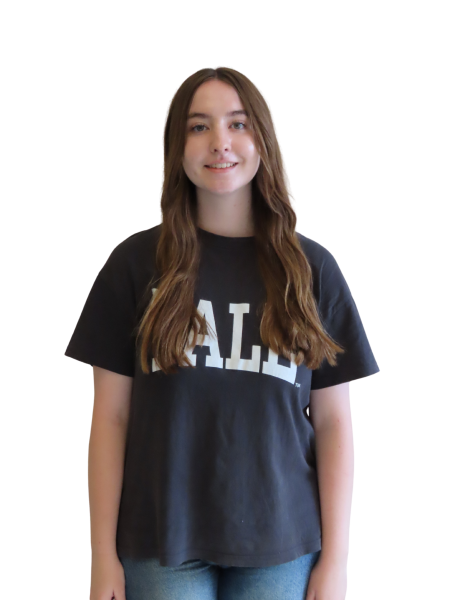
Similar to the protests about ICE, other students at OHS have brought up issues that they thought should be resolved, mostly regarding the current education system. A couple of students met with the principal, Dr. Miller, to speak about their ideas.
“We talked about the grading system, the policy on turning things in, retakes, and school culture. We talked about teaching styles, you know, so allowing students to test in the way that is the most effective for their learning style,” said Kiley Handlong, junior.
These students also proposed an idea for the future of OHS. Though it is not set in stone, they believe that it will allow students to be more connected to the administration and their peers.
“Our idea here, which is kind of a Principal’s Council, is a council of student advisors that are giving a student perspective to admin to make the students feel like they have more agency…and the ability to actually have their wants be heard by admin directly,” said Morgan Hamblin, junior.
Dr. Miller was more than welcoming during their meeting with him, and expressed great interest in shaping OHS into a school where students feel comfortable talking about issues they have.
“He said that in his, I think, 13 years of being the principal at our school, not a single student has ever come up to him and said they have ideas for change,” Handlong said. “I don’t think any student really knows how many hoops you have to jump through to make something change on a wide level, and I also don’t think we really know how much [admin] has already tried to do.”
In order to spread even more ideas in the future, these students who spoke out want other students to feel more confident in speaking out about topics they value.
“People need to be discussing broader ideas of how things can be better and what kinds of change you can make. If you have ideas, you need to be voicing them,” Hamblin said. “We are just kids, but people take that larger lack of ability to change things, and just run with it all the way to not even thinking that they have any effect on culture by just talking to people.”
If the Principal’s Council is ever approved, those behind this creation want not only their ideas about the education system to be considered, but also the entirety of the OHS student body’s ideas to have the chance of bringing change.
“Inevitably, we aren’t going to be able to make all the changes that we have. If we had our way, things would be completely different, but the goal is not to change everything; the goal is to make sure that students know that they can change things,” Handlong said.