

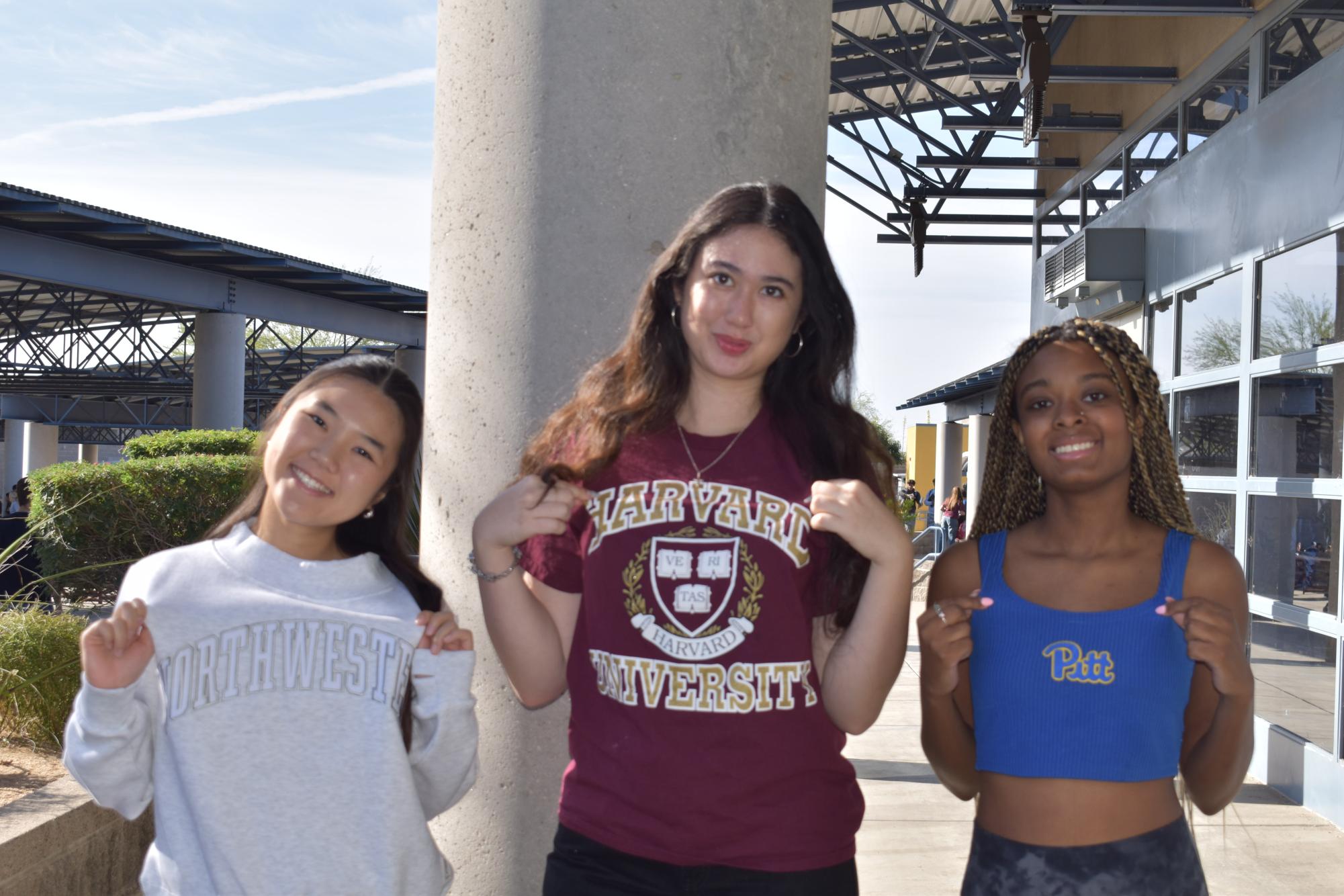

For all high school students, the journey ahead is inevitable. When names are called at graduation and caps are thrown in the air, a new chapter of life begins. For many, this next step is higher education. However, the process of getting there is not clear until students start and ultimately submit their applications. While the voyage to becoming a college student is a transformative period of growth for many young adults, it also represents the daunting and money-hungry process of applying, the pressures of outside opinions, and the complex realm of independence and responsibility.
Platforms such as The Common App and Coalition dominate the college application market, connecting millions of students with future opportunities. Nevertheless, professionals rarely discuss the full application process. When students reach out to multiple universities, they often do not know the specifics of each application. Most are familiar with the need for transcripts and test scores, but may not understand the necessity surrounding letters of recommendation from strong sources, essays and short answer questions, and the difference between early action and early decision.
One important aspect of applying is the cost. Each submitted application sustains a fee that can range anywhere from forty to over one hundred dollars, depending on whether the school is public, private, or prestigious. For low-income or even middle-class students, these fees can become significant obstacles, especially if they apply to schools that may ultimately reject them. There are several opportunities provided by the government and private institutions. The Common App allows twenty applications per student and forces students to assess the universities that fit them best. This system portrays the lottery that is college. Applicants can be turned down by state schools and accepted into Ivies; it is all dependent on what the school is looking for in its candidates.
Patience is essential in this process. At the end of the day, students should recognize that choosing a college, major, or campus is not a mandatory or permanent decision. Transferring to another institution or a different career path is always an option. Witnessing others commit to their dream schools or being asked consistently about schools can affect applicants’ confidence and mental health. When this pressure continues to weigh on a student’s headspace, it can become overwhelming. In this instance, students need to understand that comparison is detrimental; millions of students are rejected and deferred every year. College is a privilege that enables students with the opportunity to learn and prepare for their futures across multiple industries, and is merely a tool.
As seniors prepare to head off to college in the fall, they are bound to experience a new reality that symbolizes a transition in their lives. This means being a freshman on campus again– navigating a new environment filled with diverse individuals, self-dependence, learning new skills, and juggling real-world obligations. Overall, the future is bright and filled with memories that will forever change these students. This is only the beginning of endless possibilities.