

For celebrities, there are dozens of benchmarks of fame. Record deals, news articles, lucrative roles, and more. However, there lies an uglier inevitability beneath the glamor of their newfound fame: rumors. Gossip from both fans and paparazzi haunts rising stars at every turn, with perhaps one of the most common rumors being the many celebrity clone conspiracies that have popped up through the years.
The celebrity clone conspiracy is one of the most common rumors about stars. Usually starting after a health scare or a major change in their appearance, fans begin to speculate if their agency has replaced them with a similar actor or actress in order to hide a great tragedy.
One of the most popular examples of the clone conspiracy is Avril Lavigne. The start of her rumors is most commonly attributed to a 2011 fan page called “Avril Está Morta,” or “Avril Is Dead,” which produced many posts claiming that Lavigne had died and been replaced. Fans proposed that she had been replaced by an actress named Melissa Vandella, who was impersonating the artist after her passing. The evidence presented was lackluster, but the rumor spread like wildfire and quickly clung to her fame. In the modern day, nearly a decade later, Lavigne is still fighting against the claims, stating that any changes have simply been her style developing.
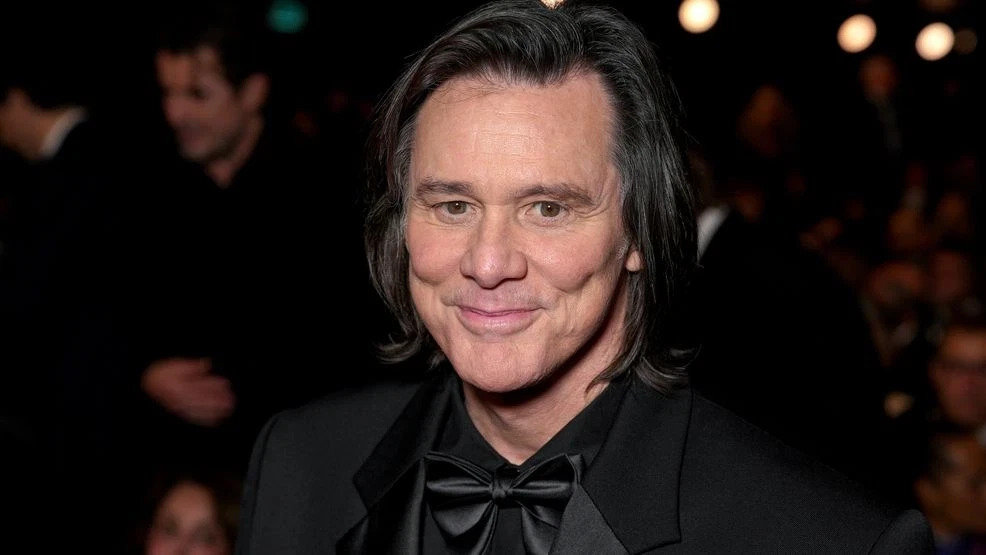
Recently, more people have been introduced to the common conspiracy through Jim Carrey. When he attended the 51st César Awards, France’s national film award show, many fans noticed dramatic changes in his appearance: puffed cheekbones, more sunken eyes, and more slanted teeth. Not only that, but Carrey delivered his speech entirely in French, a language most fans were unaware he could speak. As he delivered his speech upon the stage to gratefully accept his awards, many online began posting that Carrey had been replaced with a clone. Rumors varied on if it was because Carrey had faced a tragedy, or more popularly, if he had sent a decoy to avoid the press as he had joked on doing on talk shows a few years earlier. The gossip took away from the event itself, including the speech Carrey had practiced for months and the many other films that received awards.
While each conspiracy is entertaining to listen to, it is undeniable that they have an impact on their target. Lavigne has spent decades trying to prove her identity, often facing scrutiny at every turn. In Carrey’s case, the effort both he and other filmmakers put in was overlooked for discussion of his facial features and clones. Other celebrities have not been spared from the rumor mill, with fans dissecting their appearance at every change. With each new theory comes a possible small regression in the body positivity movement as fans pick apart their favorite artists. What to many is simply considered aging or an appearance change turned into a piece of evidence, magnifying the small detail. For stars who are insecure about these traits, it may be amplifying that doubt by proving that their fans do notice it.
As we enter a new digital world where nothing truly looks as it seems, thanks to AI and new technological developments, misinformation is becoming more rampant. Each post or supposed fact is becoming less and less trustworthy. It is important, perhaps now more than ever, for each reader or social media user to critically analyze each rumor that comes out. Are they truly a clone, or is their age simply making itself known? Does the post have evidence, and would this rumor make sense? As silly as it may seem to some, by stopping low-level gossip, users can strengthen their critical thinking skills to prepare for some of the more believable posts online.
Celebrity gossip is nothing new. From the moment media could be shared, so could the numerous rumors. Every time a piece of gossip is platformed, a new piece of misinformation is spread. While they may seem harmless at first, they perpetuate beauty expectations back into celebrities and encourage an environment on social media that obscures the truth.