

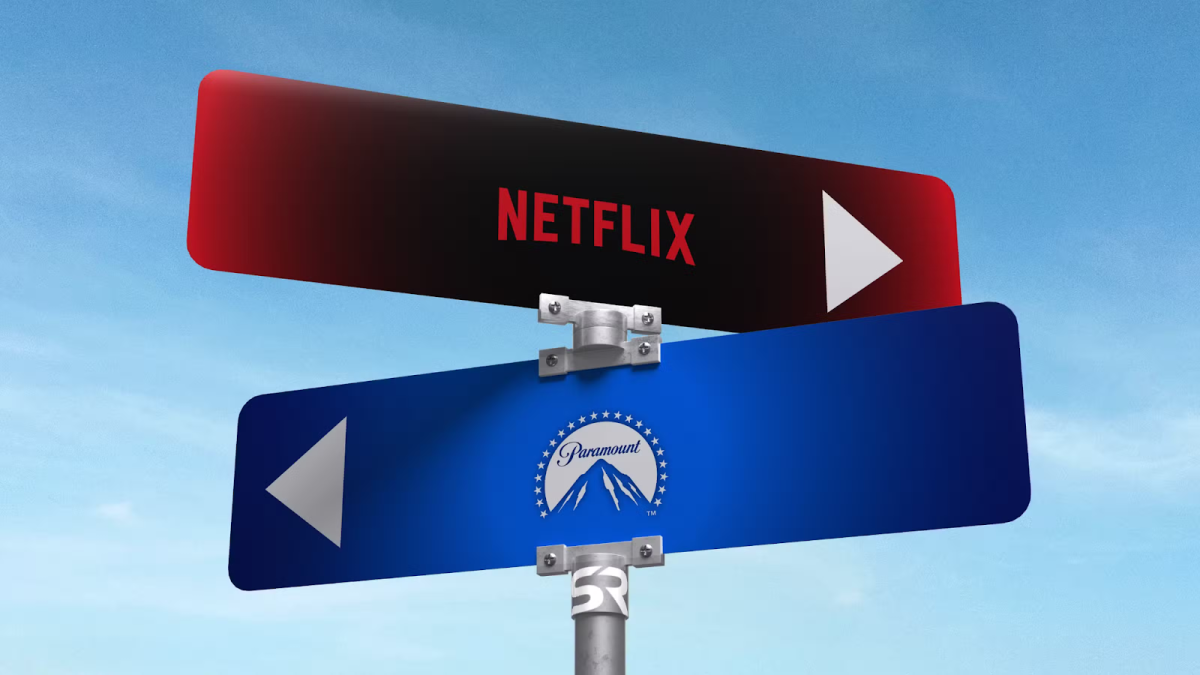
Around 300 million US citizens have a video streaming subscription, and 86% of them use two or more different services. With a new deal between two major television companies (Warner Bros. Discovery and Netflix), millions of viewers will need to learn to endure the changes.
Netflix, the top paid streaming platform worldwide, announced on Dec. 5 that they broke a deal to buy Warner Bros. Discovery for 83 billion dollars. With this new deal, viewers of both streaming services would only need to use one app and account, but at the same time, multiple aspects of the movie-viewing industry will change, all due to the new merger.
As part of the unification of the two companies, Netflix would release all Warner Bros. movies on its streaming service. While Netflix did also agree to release larger movies produced by Warner Bros. in theaters, other, less prominent films will likely be released solely on the streaming service. If this were to happen, movie theaters nationwide and worldwide would have fewer Warner Bros. films to show. That would allow other companies, such as Disney and Universal, to “fill” those gaps in theatrical release schedules, letting them make more box office money per film.
While that might sound like a win-win situation for the streaming industry, viewers would end up experiencing the ripple effect of issues. Netflix is expected to increase its prices for its platform due to a larger variety of films, along with covering the 83 billion price tag. Another example is that Disney and other film companies would have less in-theater competition, so the companies would likely keep films in theaters longer. This would, in turn, delay the process of getting newly released movies on a company’s respective platform.
In the end, Warner Bros. Discovery will be sold to someone, even if it is not going to be Netflix. Paramount, a movie production company, is simultaneously attempting to buy Warner Bros., but in a not-so-sneaky way.
In this scenario, the hostile bidding occurring is Paramount trying to bribe shareholders in the Warner Bros. company to let Paramount take control rather than Netflix. The bribe Paramount offered was to pay all shareholders $30 per share, $2.25 more than Netflix’s offer. (This would end up totaling around 108 billion dollars, 25 billion more than Netflix’s original bid.) They also said that they would keep all parts of the Warner Bros. company together, including CNN, Cartoon Network, HGTV, and Discovery Channel, something Netflix was not originally planning on doing.
This leads to the question: which is the better option, the lesser of the two evils? Should Warner Bros. let Paramount pay a higher total and take hold of a larger portion of the company; or let Netflix, which would get less of the company’s assets, but would save more money for the companies?
If it ends up being between Paramount and Netflix, Netflix should acquire the company. Being friendly and proper in their bidding shows that they are much more respectful to the company’s management and the public audience. Plus, Netflix would get fewer parts of the company, allowing more diversity and competition between television channels and streaming providers, which helps benefit the economy. Paramount chose to bid aggressively, caring solely about the shareholders and completely ignoring the company’s management. They are also trying to acquire the entire company, restricting more competition than Netflix’s proposal.
No matter what, Netflix or Paramount will likely buy Warner Bros., and subsequently, affect hundreds of millions of people worldwide. But, with Netflix having the largest amount of paid subscribers worldwide, along with their side of the new deal, they would be the better choice for the merging of the television and streaming giants.